LiFePO4 module planning
Battery stacks are specified by usable capacity, discharge profile, rack footprint, and allowed expansion path so system sizing stays transparent.
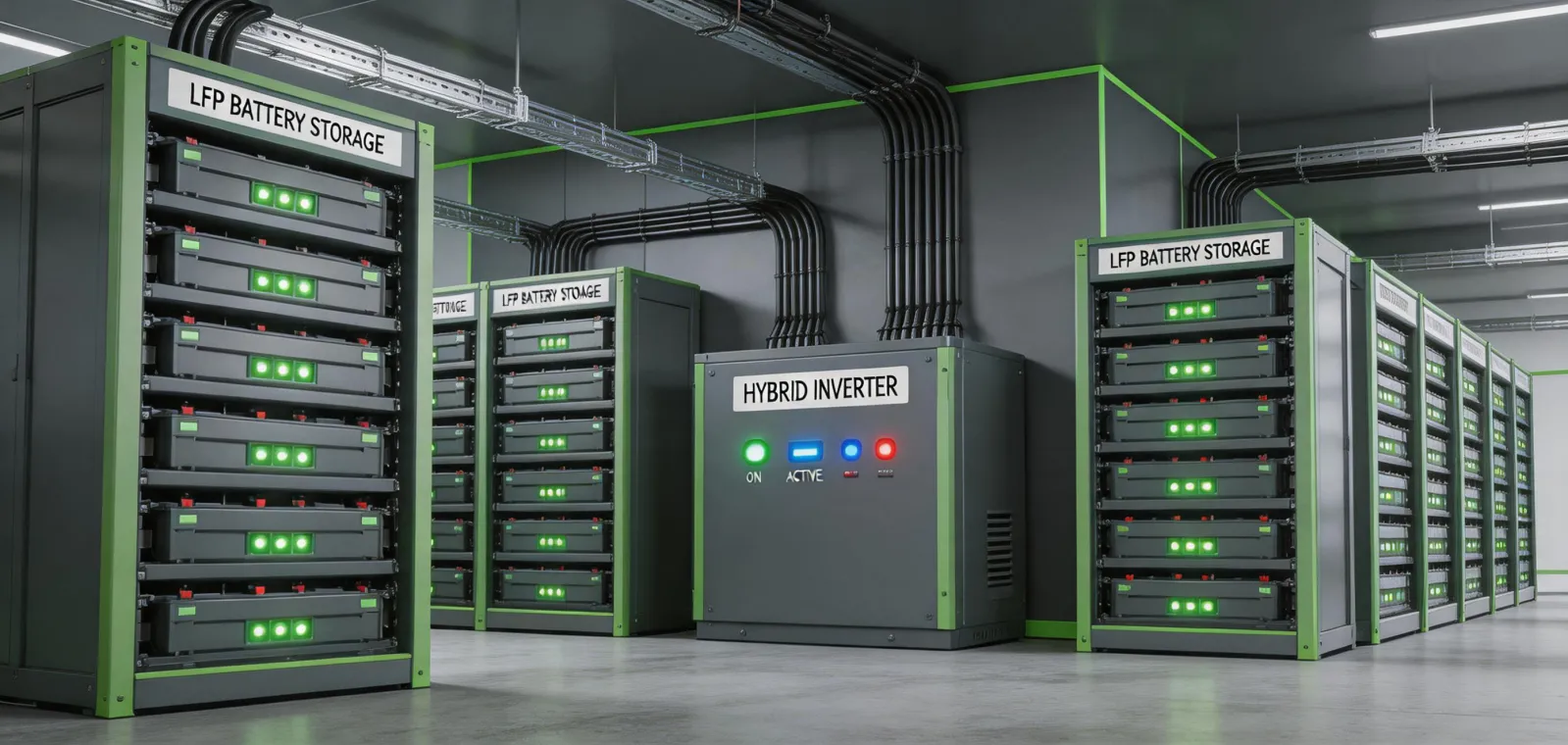
Pylontech supports EPC teams, solar installers, and energy asset owners with practical LiFePO4 battery systems, BOS interfaces, and inverter-ready storage packages built for clean integration.
Minimal paperwork does not mean thin engineering. Each purchase conversation is organized around voltage window, BMS communication, cabinet layout, and service access.
Battery stacks are specified by usable capacity, discharge profile, rack footprint, and allowed expansion path so system sizing stays transparent.
Compatibility notes cover inverter protocol, firmware expectations, CAN or RS485 wiring, and commissioning sequences before procurement.
Layouts include breaker placement, busbar routing, battery cable bend radius, and service clearance for residential and commercial rooms.
Installers receive concise datasheet packs, wiring assumptions, and handover records aligned to the project stage rather than a generic catalog dump.
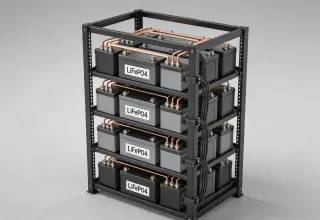
48V and high-voltage battery blocks for residential backup, solar self-consumption, and light commercial storage rooms.
Capacity planning, cycle profile, BMS notes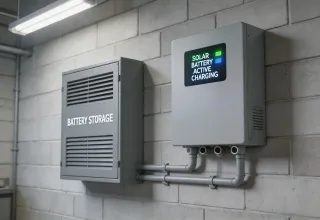
Organized enclosures for multi-module systems where service access, cable management, and thermal spacing matter.
Cabinet layout, breakers, rack accessories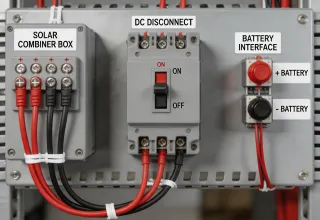
Combiner, disconnect, surge protection, and metering components selected around the battery and inverter architecture.
PV wiring, protection, monitoring| Parameter | Planning Range |
|---|---|
| Chemistry | LiFePO4 battery modules for stationary renewable storage |
| System scope | Residential rack, C&I cabinet, and inverter-coupled storage packages |
| Expansion review | Capacity growth, parallel module rules, and rack space allowance |
| Parameter | Planning Range |
|---|---|
| Communication | CAN or RS485 checks against inverter firmware and commissioning mode |
| Protection | DC disconnect, breaker, surge protection, and cable sizing review |
| Monitoring | Battery status visibility and handover reporting for asset owners |
| Parameter | Planning Range |
|---|---|
| Documentation | Datasheets, wiring notes, packing details, and installation assumptions |
| Commissioning | Pre-start checklist for module address, firmware, cable polarity, and alarms |
| Support flow | Lean response path for EPC, distributor, and installer project teams |
Structured packs help buyers compare usable capacity, inverter fit, and accessory scope.
Common inverter and communication questions are handled through concise engineering notes.
Pre-order layout checks reduce avoidable cable and clearance changes on site.
Short commissioning records keep ownership, service, and warranty questions traceable.