Engineering desk: +1-800-746-5680 | [email protected] Global delivery | EN
Battery lifecycle and solar field
Sustainability

Battery storage sustainability starts with transparent system planning

Pylontech treats sustainability as a lifecycle discipline, not a decorative claim. A storage project should use the right capacity, avoid unnecessary replacement, document safe operation, and leave the owner with a clear path for maintenance and eventual recycling. Good environmental outcomes come from batteries that are correctly sized, correctly installed, and understood by the people responsible for them.

Lifecycle Narrative

From material choice to owner handover

LiFePO4 chemistry is valued in stationary renewable energy projects for thermal stability, long cycle potential, and suitability for daily solar charging. Those strengths only translate into sustainability when the project respects operating limits. Oversized systems waste capital and material; undersized systems cycle harder than expected; poorly documented systems become difficult to service. Pylontech's sustainability work therefore begins during specification, where the project team can still make sensible decisions.

Use the battery the site actually needs, protect it correctly, and make the service record simple enough to survive staff turnover.

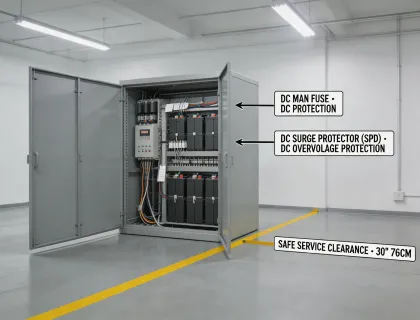
The same principle applies to BOS components. Disconnects, protection devices, cables, and monitoring equipment should match the battery and inverter design rather than be added casually at the end. When those elements are planned together, the installation is easier to inspect, safer to operate, and less likely to need avoidable replacement.
Practical Guidance

Three habits for cleaner storage ownership

Compare load behavior, backup expectation, solar generation, and expansion plans before selecting battery modules. A right-sized Pylontech battery system reduces wasted material and improves owner confidence.

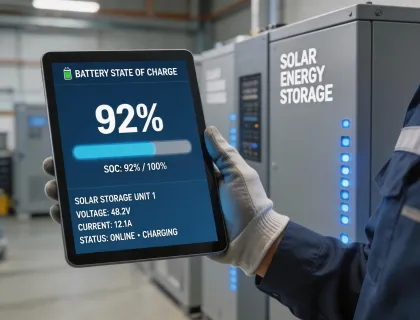
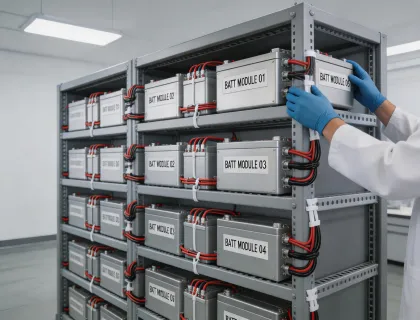
Monitoring notes, commissioning records, and alarm response steps should be easy for the owner and installer to locate. Clear records reduce unnecessary truck rolls and help batteries stay in productive service.

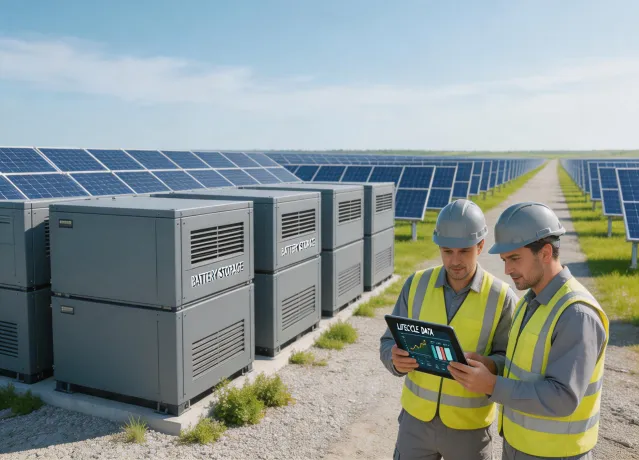
Battery ownership should include a future path for module assessment, replacement, and recycling. Pylontech inquiries can include regional disposal expectations so the lifecycle plan is not ignored.

Request lifecycle documentation

Ask for capacity planning, service access notes, and sustainability-related information for your storage project.